
By Dr. Allen Naygauzen, a board-certified internal medicine physician in Philadelphia specializing in palliative care, hospice medicine, and house-call services.
When is it time for hospice? It is rarely one dramatic event. It is usually a pattern: getting weaker, eating less, sleeping more, needing more help, going back to the hospital and not bouncing back. No single symptom decides it. What matters is the overall trajectory, and you do not have to wait for a crisis to ask.
What’s in this guide
- It’s Usually a Pattern, Not a Moment
- The Physical Changes to Watch For
- Repeated Hospital Trips Without Real Improvement
- Does “Months, Not Years” Mean It’s Time? Hospice Eligibility, Explained
- Why Families Wait Too Long, and What I’d Say to Them
- What the Last Weeks and Days Usually Look Like
- What I Wish Families Understood About This Stage
- Two Fears Worth Answering Directly
- When to Call Hospice: What to Do Next
- If You’re Reading This Scared and Unsure
- Frequently Asked Questions
- Talk to Humanitas Hospice
It’s Usually a Pattern, Not a Moment
The first signs that it may be time to think about hospice are typically a pattern rather than one dramatic event.
The pattern tends to look like this:
- Getting weaker
- Eating less or sleeping more
- Losing weight
- Needing more help with things they used to do independently
- Recurrent falls or more infections
- Multiple hospitalizations
- Not bouncing back the way they used to
There is one more sign worth naming. It is when the focus starts shifting from “how do we fix this illness” to “how do we keep them comfortable and give them the best quality of life possible.” When that shift happens, it is a very appropriate time to at least have a conversation about hospice. You do not have to wait for a crisis.
Sometimes there is a specific moment with a doctor. A physician might say, “We’re running out of treatments that are likely to help,” or “I think we should start focusing more on comfort.” But very often there is no single clear moment. Instead, the family notices a gradual decline: more time in bed, more assistance needed, trips back and forth to the hospital, or a person who is simply exhausted by the medical care being provided.
One question families ask the doctor directly is, “Would you be surprised if my loved one died in the next six months?” If the answer is no, it is very reasonable to ask whether hospice should be part of the conversation.
The Physical Changes to Watch For

The most common physical changes are increasing weakness and fatigue, sleeping more, eating and drinking less, and needing more help with daily care.
In more detail, the changes families most often notice:
- Increasing weakness and fatigue
- Sleeping more
- Eating and drinking less
- Weight loss
- Difficulty walking and more frequent falls
- Needing more assistance with bathing, dressing, toileting, or eating
Depending on the illness, there may also be increasing shortness of breath, pain, swelling, confusion, agitation, or recurring infections.
No single symptom automatically means someone needs hospice. What matters most is the overall trajectory. When you look back over the last three or six months and realize that your loved one is clearly doing less, requiring more help, and recovering less each time something happens, that pattern is important to recognize.
Repeated Hospital Trips Without Real Improvement

More frequent hospital or emergency room visits without real improvement is one of the strongest signals that it is time to reconsider the goals of care.
Someone keeps going to the emergency room or the hospital for the same problems: heart failure, COPD, infections, falls, dehydration. Each hospitalization leaves them a little weaker, and none of them reverse the underlying illness. At that point the question is whether the trips to the hospital are actually helping.
The question is not simply “can we send them back to the hospital?” It is “what are we hoping the hospital will accomplish?” If hospitalization is becoming more burdensome than beneficial, hospice may allow many of those symptoms to be managed at home, with the focus on comfort instead.
Does “Months, Not Years” Mean It’s Time? Hospice Eligibility, Explained
It varies. Hospice eligibility is not based on a diagnosis alone.
In general, hospice is intended for someone with a serious illness whose life expectancy is about six months or less if the illness follows its usual course, and who chooses care focused on comfort rather than curative treatment for that illness.
But prognosis is not an exact clock. Someone does not suddenly become a hospice patient because a calendar says six months. The team looks at the diagnosis, functional decline, nutrition, hospitalizations, symptoms, and the overall trajectory together.
Why Families Wait Too Long, and What I’d Say to Them
The biggest reason families put off asking when it is time for hospice is that hospice can feel like giving up.
Families understandably want to keep fighting for someone they love. But choosing hospice does not mean you stop caring for someone. In many ways, you are changing what you are fighting for. Instead of fighting for another hospitalization, or another burdensome treatment that might not change the outcome, you would be fighting for comfort, dignity, time at home, and meaningful time together.
One thing I hear frequently is, “I wish we had called hospice sooner.” You can always ask for more information. Having the conversation does not commit you to anything. If the fear underneath is that hospice means stopping care, the difference between hospice and palliative care is worth understanding first.
What the Last Weeks and Days Usually Look Like
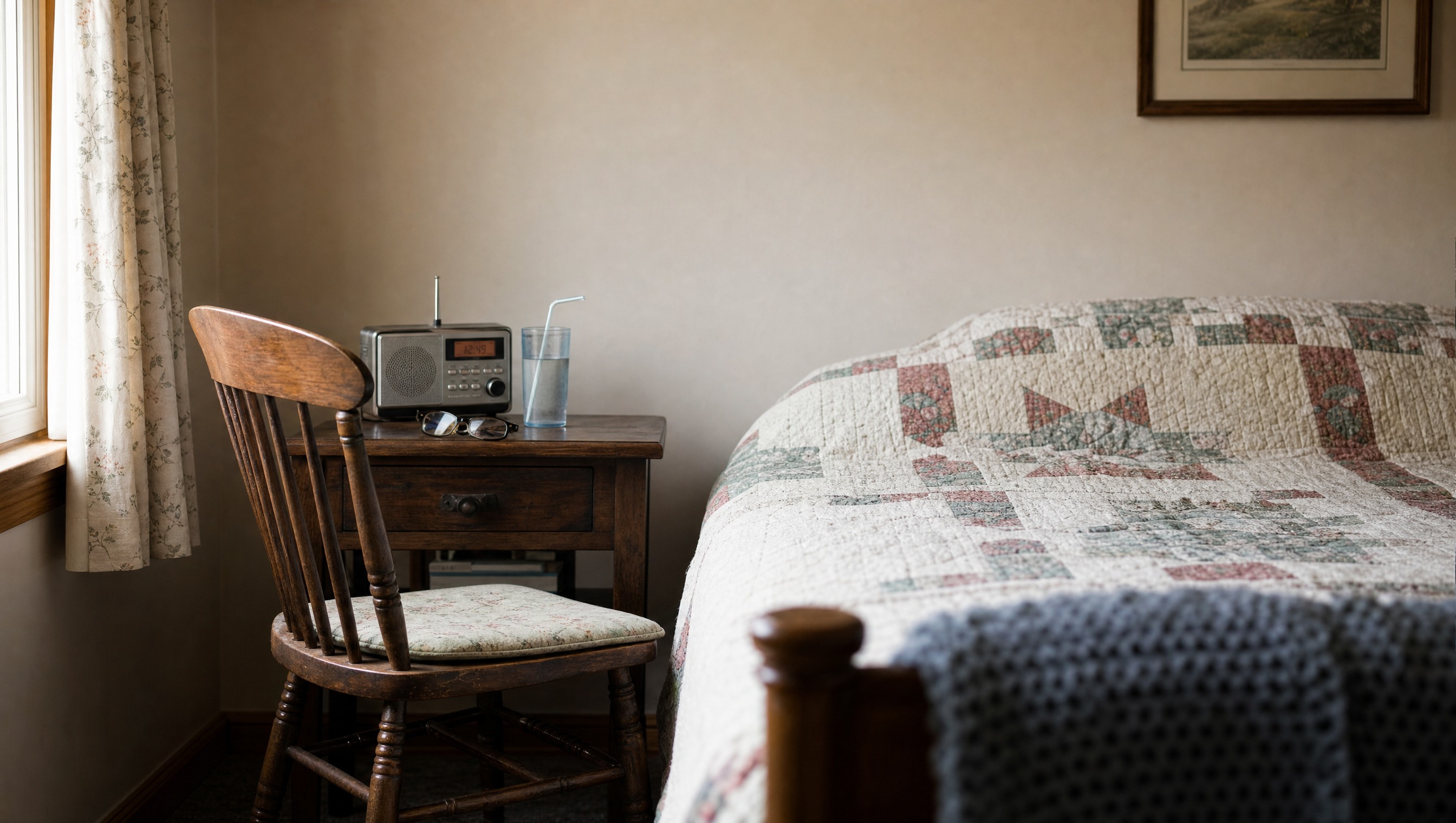
Every person is different, but there are patterns hospice teams commonly see in the last weeks and days.
These changes can be frightening if a family is not expecting them. One of hospice’s most important jobs is to prepare families for what they may see, explain what is normal, and make sure symptoms are being treated appropriately.
In the last weeks
People often become much weaker. They may spend most of their time sleeping and eventually stay in bed. Appetite usually decreases significantly, and they drink very little. They may talk less and become less interested in what is happening around them. Sometimes there is confusion or restlessness. Breathing patterns can change as well.
Signs that death is near
As someone gets very close to the end of life, they usually sleep much more and may become difficult to awaken. They often stop wanting food and eventually take very little fluid. Breathing may become irregular, with periods of faster breathing followed by pauses. Sometimes secretions collect in the throat and create a rattling sound. Hands and feet may become cooler, and the skin can become mottled or change color.
Families need to know that these changes can look much more distressing to us than they necessarily feel to the patient. The team’s job is to watch carefully for signs of discomfort, including pain, shortness of breath, anxiety, or agitation, treat those aggressively, and help the family understand what is happening.
What I Wish Families Understood About This Stage
Many of the changes families see near the end are part of the body’s natural process of slowing down.
Eating is one of the hardest examples. Families often feel that if their loved one is not eating, they are starving. But near the end of life, the body simply does not process or require food the way it does when we are healthy. Forcing food can sometimes cause more discomfort. The same is true of increased sleeping or decreased interaction.
These changes do not mean the family is failing them. Your role changes. You do not necessarily have to fix what is happening. You can sit beside them, hold their hand, talk to them, and maintain a comforting presence. Play their favorite music, or just tell them that you love them. Those things matter enormously.
Two Fears Worth Answering Directly
Whether hospice means giving up too early, or speeds up the process, is one of the most common fears and misconceptions families bring to us.
“Does hospice mean giving up, or speed things up?”
No. Hospice does not cause someone to die sooner. It means recognizing the reality of a serious illness and changing the priority of care toward comfort and quality of life.
Symptoms are still treated: pain, shortness of breath, nausea, fatigue, anxiety, constipation, wounds, and many other problems. Nurses continue to visit. Medications and equipment can be brought into the home; our hospice care at home page describes how that is set up. Families receive a significant amount of education and support. What hospice avoids is interventions that are burdensome and unlikely to help the patient. That is not giving up on someone. It is making sure the care they are receiving still matches what matters most to them.
“Isn’t hospice only for the last few days?”
That is a myth, though it is how many people experience it, because hospice gets called very late.
Hospice can provide support for months when someone qualifies. That time allows the team to get to know the patient and family, manage symptoms before they become a crisis, arrange equipment and medications, and prepare caregivers for what may come. Hospice is often much more helpful when it is given enough time to actually do those things.
When to Call Hospice: What to Do Next

Once a family notices signs of decline, the next step is a conversation, and the sooner the better.
That conversation can happen with your loved one’s physician, or directly with a hospice, by asking for an evaluation. You do not have to know whether your loved one qualifies. Determining that is the hospice’s job. You tell us what has been happening: the hospitalizations, weight loss, falls, increasing weakness, changes in appetite, whatever you have noticed.
An evaluation is really an opportunity to understand your options. Even if hospice is not appropriate yet, you leave the conversation knowing what signs to watch for and when to reconsider. If you want a quick read before picking up the phone, Humanitas has a short set of questions on the Is It Time for Hospice? page, and a referral form when you are ready to ask for an evaluation.
Saying yes doesn’t lock you in
Saying yes to hospice does not lock a family into anything. Hospice is a choice. A patient can decide to leave hospice if their goals change and they want to pursue treatment that is not compatible with the hospice plan of care. And if their condition stabilizes or improves to the point that they no longer meet hospice eligibility, they may be discharged from hospice.
Hospice is not a door that locks behind you. It is a form of care you choose because it fits your goals at that particular point in the illness.
If You’re Reading This Scared and Unsure
You do not have to figure this out by yourself.
It is completely normal to be scared. You are being asked to make decisions about someone you love during an incredibly difficult time, often without knowing what the next few weeks or months will look like.
You also do not have to wait until you are absolutely certain that it is time for hospice. You can call, ask questions, tell us what is happening, and let us help you understand where your loved one is in their illness and what options are available. Sometimes hospice is the right answer, and sometimes it is not quite yet. But having the conversation early gives you something valuable: the ability to make thoughtful decisions before you are forced to make them during a crisis.
Frequently Asked Questions
What are the first signs it’s time for hospice?
It is usually a pattern rather than one dramatic event. A loved one may be getting weaker, eating less, sleeping more, losing weight, or needing more help with things they used to do on their own. Recurrent falls, more infections, repeated hospitalizations, or simply not bouncing back the way they used to are part of the same pattern.
Do frequent hospital visits mean it’s time for hospice?
More frequent hospital or emergency room visits without real improvement is one of the strongest signals that it is time to reconsider the goals of care. When someone keeps returning for the same problems, such as heart failure, COPD, infections, falls, or dehydration, and each stay leaves them a little weaker without reversing the underlying illness, the question becomes whether those trips are actually helping.
Does a six-month prognosis automatically qualify someone for hospice?
Not by itself. Hospice eligibility is not based on a diagnosis alone. In general, hospice is intended for someone with a serious illness whose life expectancy is about six months or less if the illness follows its usual course, and who chooses comfort-focused care. Prognosis is not an exact clock. The team also looks at functional decline, nutrition, hospitalizations, symptoms, and the overall trajectory.
What are the signs that death is near?
Very close to the end of life, people usually sleep much more and may become difficult to awaken. They often stop wanting food and eventually take very little fluid. Breathing may become irregular, with periods of faster breathing followed by pauses, and sometimes secretions collect in the throat and create a rattling sound. Hands and feet may become cooler, and the skin can become mottled or change color.
Does hospice speed up death?
No. Hospice does not cause someone to die sooner. It means recognizing the reality of a serious illness and changing the priority of care toward comfort and quality of life. Symptoms are still treated: pain, shortness of breath, nausea, fatigue, anxiety, constipation, wounds, and many other problems. Nurses continue to visit, and medications and equipment can be brought into the home.
Is hospice only for the last few days of life?
No, although many people experience it that way because hospice gets called very late. Hospice can provide support for months when someone qualifies. That time lets the team get to know the patient and family, manage symptoms before they become a crisis, arrange equipment and medications, and prepare caregivers for what may come.
Why has my loved one stopped eating?
Near the end of life, the body does not process or require food the way it does when healthy. Families often feel that if their loved one is not eating, they are starving, but this decrease in appetite is part of the body’s natural process of slowing down. Forcing food can sometimes cause more discomfort. The same is true of increased sleeping and decreased interaction.
Does starting hospice lock you in?
No. Hospice is a choice. A patient can leave hospice if their goals change and they want treatment that is not compatible with the hospice plan of care. If their condition stabilizes or improves to the point that they no longer meet eligibility, they may be discharged from hospice. It is not a door that locks behind you.
Talk to Humanitas Hospice
If you are seeing some of these signs in someone you love, you do not have to be certain before you call. You can contact the Humanitas Hospice team to describe what has been happening and ask for an evaluation, or call (215) 302-9955. Sometimes the answer is that it is not time yet, and you will leave knowing what to watch for.
Related Reading
- Hospice care questions families ask most
- What hospice services include
- How Humanitas approaches hospice care
About the Author
Dr. Allen Naygauzen is a board-certified internal medicine physician in Philadelphia. His practice focuses on palliative care, hospice medicine, and house-call services.
This article is general information about hospice care and the end of life, not medical advice about any individual patient. Decisions about hospice should be made with the patient’s own physician and care team.
